


The Most Common Communication Problems – The most frequent issue is the lack of ability to give and receive feedback, as well as working in silos—isolated teams that do not communicate with each other.
How to Improve Team Communication – Proper training and workshop-based learning help develop new skills, significantly enhancing communication within teams.
Tools and Best Practices – Using messaging platforms, reducing the number of emails, and implementing proven documentation tools improve information flow and bring transparency to the museum’s daily operations.

Mastering clear communication, active listening, and constructive dialogue is incredibly challenging. While these skills seem essential in daily life, most of us lack the knowledge needed to build positive relationships based on open communication and constructive feedback.
It is natural for us to perceive suggestions about how we perform our daily tasks or feedback on our projects as criticism—sometimes even as a personal attack. This, in turn, leads to long-term communication problems that stifle creativity and weaken team cohesion from within.
So, what are the most common issues caused by poor communication?
One of the most frequent issues reported by our museum partners is working in informational silos. Museums are made up of teams that often focus on entirely different areas, from administration and artifact cataloging to marketing and media relations. However, there are times when their work overlaps—such as when creating an exhibition, which requires collaboration between curatorial, scientific, and educational departments.
Due to poor communication, these teams often operate independently within their own information silos, without recognizing the need to engage with other departments. By focusing solely on their own tasks, team members rarely see opportunities to apply their expertise to broader museum initiatives.
This lack of communication leads to several problems, which tend to compound over time:
Interestingly, a similar silo structure exists in large corporations, where teams sometimes compete against each other to achieve conflicting, top-down objectives.
When museum teams fail to communicate about shared challenges, they miss out on opportunities to create better, more innovative solutions. In extreme cases, working in silos can even make it impossible to execute strategic museum goals efficiently.
Another significant issue is the difficulty of active listening and providing constructive feedback.
We often find ourselves in situations where we have an idea, suggestion, or comment about a project someone else is working on. However, to avoid offending them, we choose to remain silent—especially if we perceive our feedback as criticism of the person’s work or even of someone we like and respect.
On the other hand, when criticism does get voiced, it is often expressed not as constructive feedback, but as a form of attack—directed at a colleague who frustrates us or whose approach we find unacceptable.
In both cases, communication breaks down. Whether we hold back from speaking or criticize for the sake of criticism, the result is the same: people retreat further into their silos, reluctant to share their work or invite feedback. When the only response is either silence or hostility, team members are discouraged from collaboration, leading to even greater disconnect within the organization.
In a large organization like a museum, numerous projects, discussions, and operational matters make it difficult to keep track of everything. On top of that, our inboxes are flooded with dozens—sometimes even hundreds—of emails, while colleagues reach out through constant phone calls or scattered conversations on platforms like Messenger or WhatsApp, which are not designed for professional communication.
All of this creates organizational chaos, making it harder to manage work effectively. The more time spent navigating this communication overload, the less time remains for productive work—let alone generating innovative ideas for the museum’s development.
Fortunately, there are proven methods to tackle these challenges. Some solutions are simple and easy to implement, while others require a more structured effort from museum teams. However, the ultimate goal—a well-functioning communication system and an efficient organizational structure—is worth the time and effort invested in improving collaboration and ensuring the sustainable growth of all teams.

Improving team communication often starts with going back to the basics. When we view work only from our own perspective, we may not realize that others face similar challenges. By limiting the flow of information, we also miss out on opportunities—projects in other teams could be valuable or even directly relevant to our own work.
To find common ground and encourage dialogue, it is essential to align knowledge across teams. Creating a shared understanding helps break down communication barriers and fosters collaboration.
To fully grasp the complexity of the museum ecosystem, we must take a broader view—one that includes perspectives that may be vastly different from our own. Aligning knowledge across teams requires creating a space for dialogue, where key museum departments can share their goals and responsibilities in detail.
Shifting perspectives allows us to see common challenges from new angles and build a shared language with colleagues we don’t typically collaborate with. By understanding the work, objectives, and challenges of other teams, we often discover unexpected connections between our roles. This not only fosters mutual understanding but also opens doors for new collaborations and innovative cross-team projects.
Fragmented efforts across different teams often disrupt the execution of both short- and long-term strategic goalswithin the museum. As mentioned earlier, working in silos prevents employees from feeling like part of a larger whole and makes it difficult to coordinate joint initiatives. That’s why it is essential to engage all key teams in a shared discussion about strategy and core objectives that the museum should strive toward.
Inviting everyone to contribute to how these goals should be achieved fosters a sense of shared ownership, sparks new ideas, and strengthens communication between teams. Eliminating information silos is crucial for setting and executing collective goals, but tackling this challenge requires the right tools to support the museum’s digital evolution and improve internal collaboration.

In the commercial sector, large project teams rely on well-established collaboration methods. Without continuous improvement in information flow and adapting tools and practices to changing conditions, many companies would face failure.
Effective communication optimizes both time and costs. On one hand, it allows for faster identification of project issues, and on the other, it encourages creative problem-solving while shifting more decision-making power to individual teams.
It’s worth exploring best practices that help ensure projects are executed efficiently and on time.
It’s common to juggle multiple small and large projects simultaneously, alongside administrative tasks, travel, conferences, and leave planning. Since this is a daily reality in nearly every organization, effectively structuring information channels is crucial for tracking multiple threads at once.
Tools like Slack and Microsoft Teams are excellent for improving information flow. They allow teams to create multiple topic-based channels, following a simple chat-based conversation model. Since discussions happen asynchronously, team members can engage with specific topics when they have time or need to, just like everyone else involved in the conversation.
The flexibility to create open or private channels, invite specific people on the fly, and access the platform from any device (thanks to well-optimized mobile apps) enhances responsiveness and reduces communication chaos—helping teams stay organized while managing multiple discussions at once.
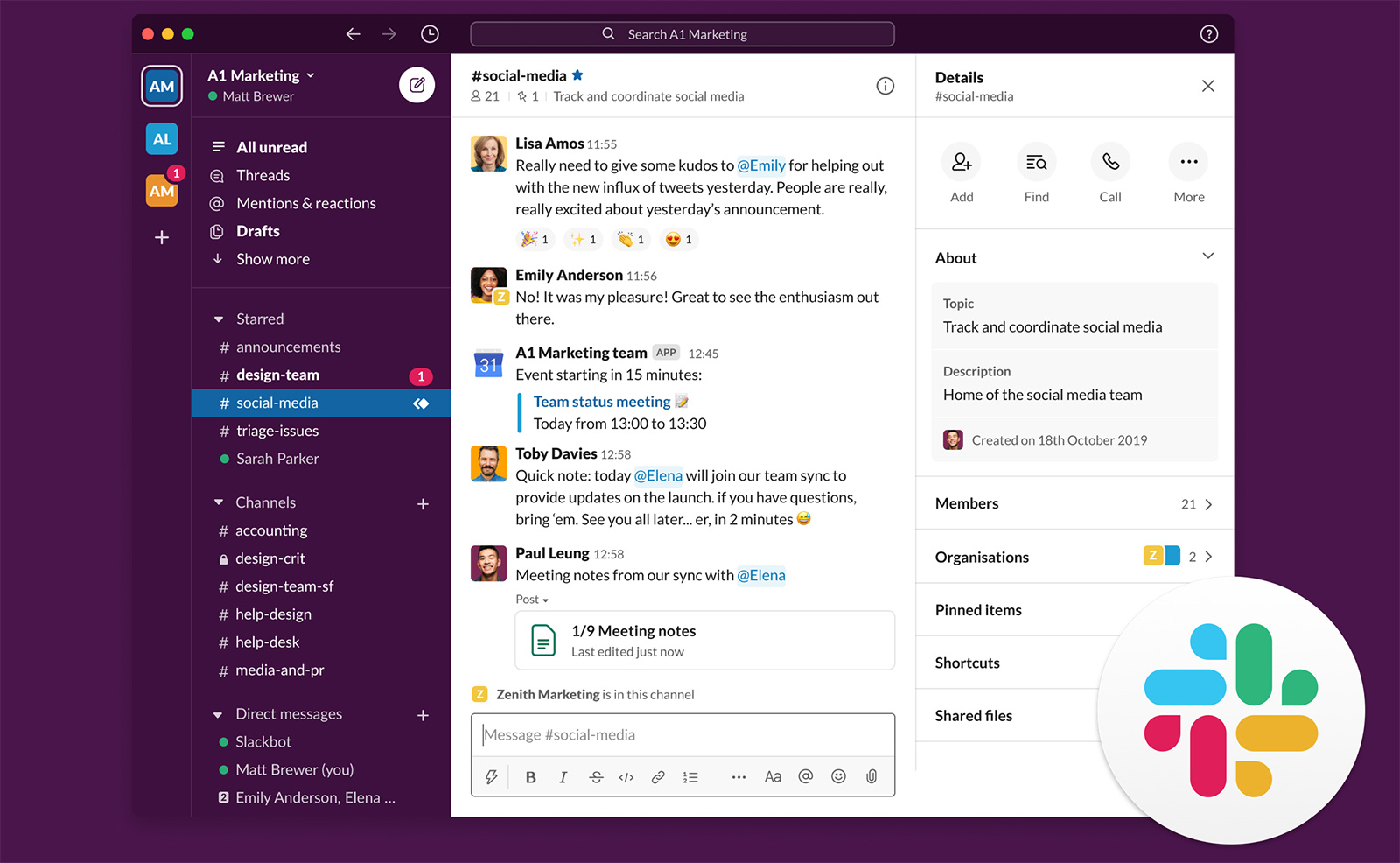
The saying that opening your inbox in the morning works better than coffee didn’t come from nowhere! While some administrative and formal matters require email documentation, daily communication becomes much easier when we reduce internal emails in favor of real-time messaging platforms.
Too many email threads and recipients often turn our inboxes into a bottomless pit. Every morning, we find dozens of new messages, many of which are irrelevant to us. This creates communication chaos, leaving us overwhelmed by an illusion of information overload—feeling like we need to process everything, even when we don’t.
Shifting away from excessive emails and using messengers instead naturally brings order to communication. When something does land in our inbox, it actually means it’s important and worth our attention. Meanwhile, everyday conversations move to a structured platform, making it easier to track discussions and engage only when necessary.
And the best part? We can now open our morning emails with a good cup of coffee—without the stress.
Creating interdisciplinary teams involved in various museum activities has its downsides. The sheer number of projects and responsible individuals can lead to challenges in documentation and knowledge sharing. This is a common issue in large organizations, making it crucial to establish a centralized space for detailed descriptions of ongoing work—accessible to everyone engaged in both strategic and day-to-day museum operations.
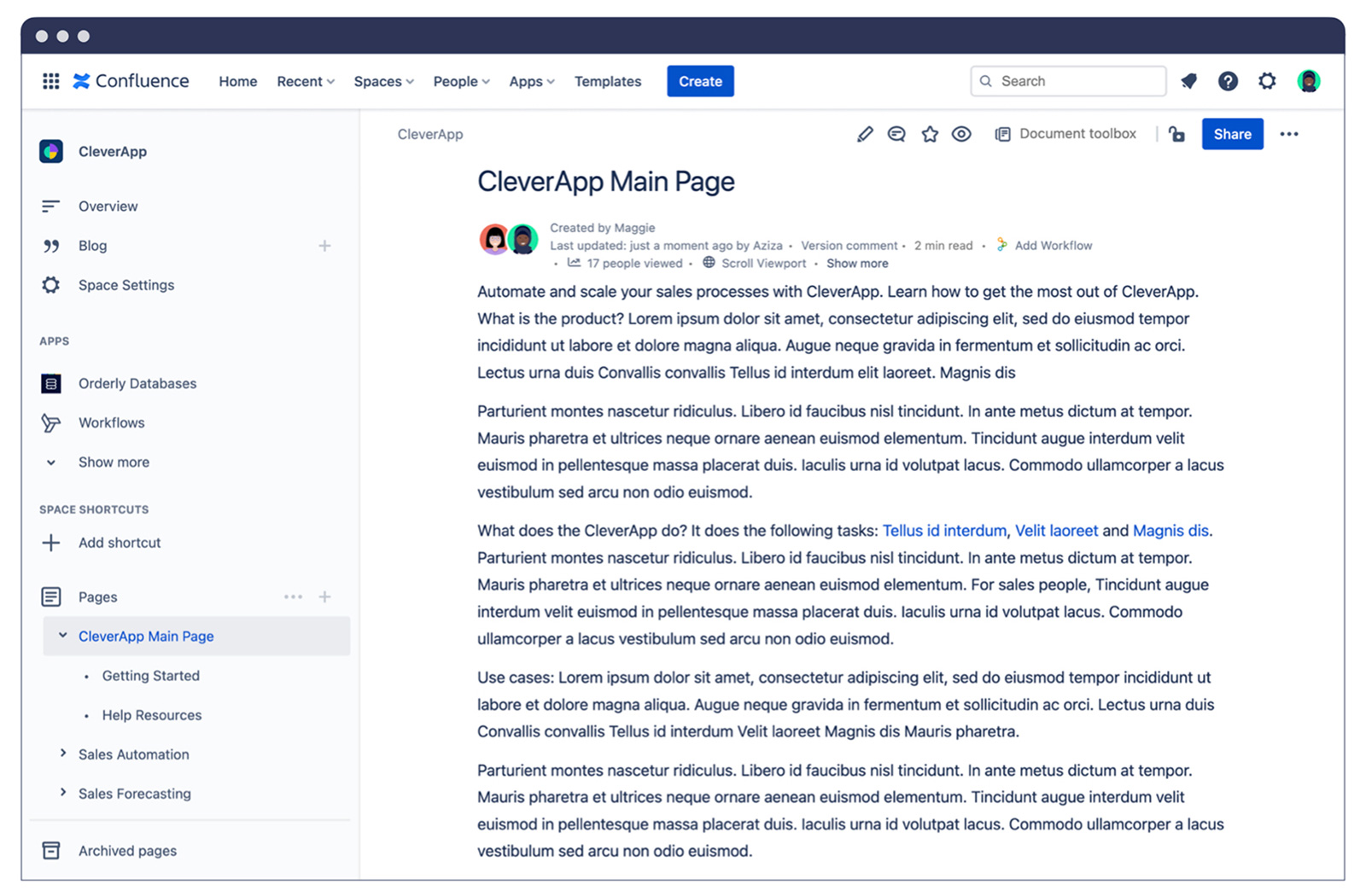
Unlike real-time communication tools, knowledge documentation functions more like a library or database. Fortunately, just as with messaging platforms, there are tested solutions designed to efficiently store project-related knowledge, summarize meetings and workshops, and facilitate discussions on specific issues. These tools help streamline workflows, ensure continuity in projects, and prevent valuable insights from getting lost in daily operations.
Project documentation is created in two key ways. First, it’s essential to provide a detailed description of the project, including requirements, uncertainties, and potential challenges that may arise in later stages.
Platforms like Confluence help structure documentation effectively by allowing teams to assign responsibilities, track progress, and maintain a clear project roadmap. With a built-in calendar feature, teams can plan each stage efficiently, ensuring smooth execution and transparency throughout the project.
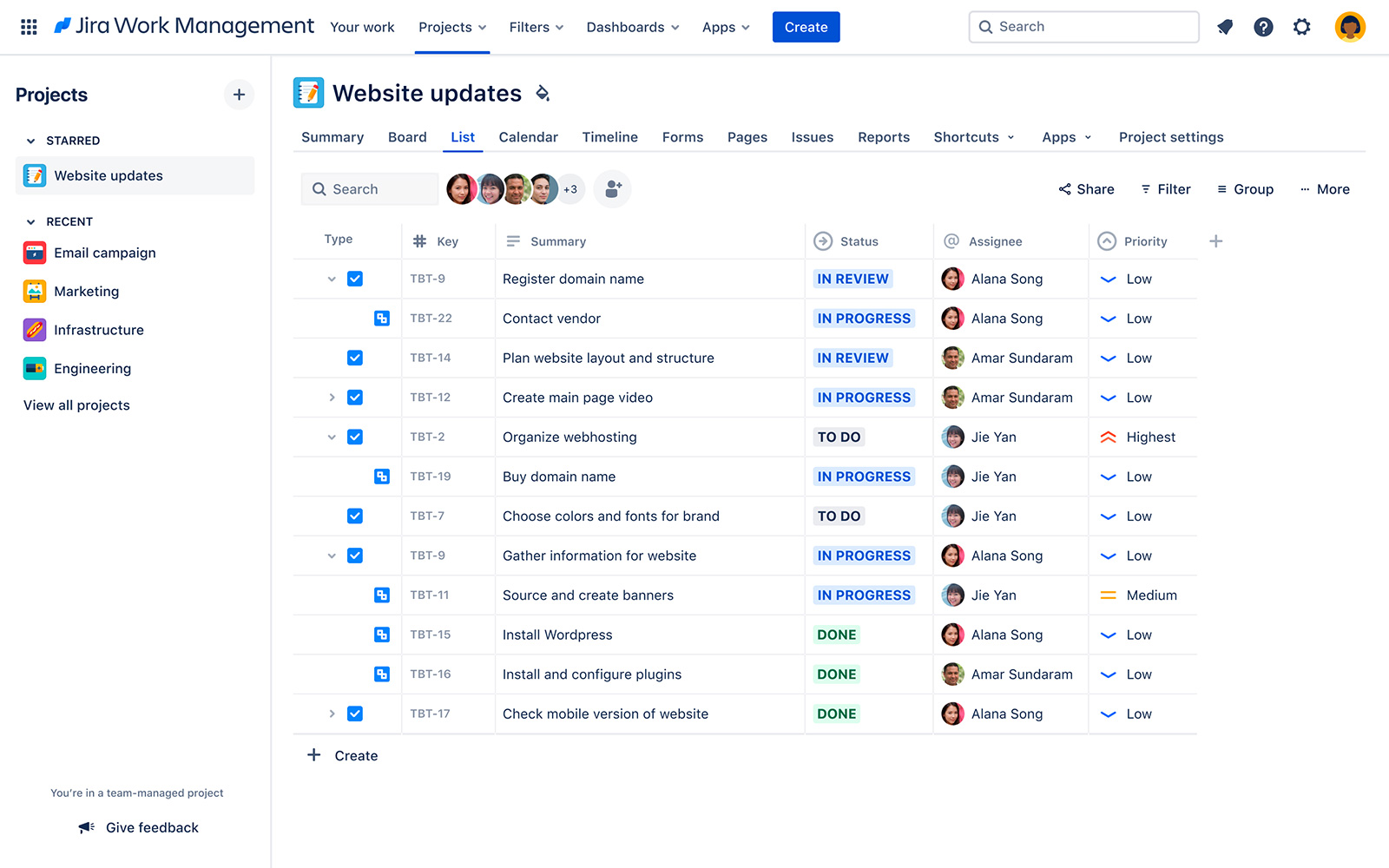
The second major challenge is assigning and tracking tasks within teams. The more tasks and discussions involved, the harder it becomes to monitor progress and address issues as they arise.
The most widely used task management platform is Jira—a complementary tool to Confluence. Jira enables teams to plan, assign, and track individual tasks within a project. It allows for subtasks, discussions, and real-time updateswithin a single thread, ensuring better collaboration.
With Jira’s status tracking, teams can easily mark tasks as completed, in progress, or blocked, identifying obstacles that may affect the entire project workflow. This structured approach enhances efficiency and keeps projects moving forward smoothly.
Improving team communication won’t be easy at first. Long-standing habits and technological limitations can be difficult to overcome, especially when they’ve been in place “forever.”
However, the reward for tackling these challenges is a stronger, more efficient museum team, more creative and engaging projects, and significant time and cost savings. Instead of wasting resources on inefficiencies, the museum can redirect them toward meaningful initiatives that truly contribute to its growth and mission.